TALK NERDY
TO ME
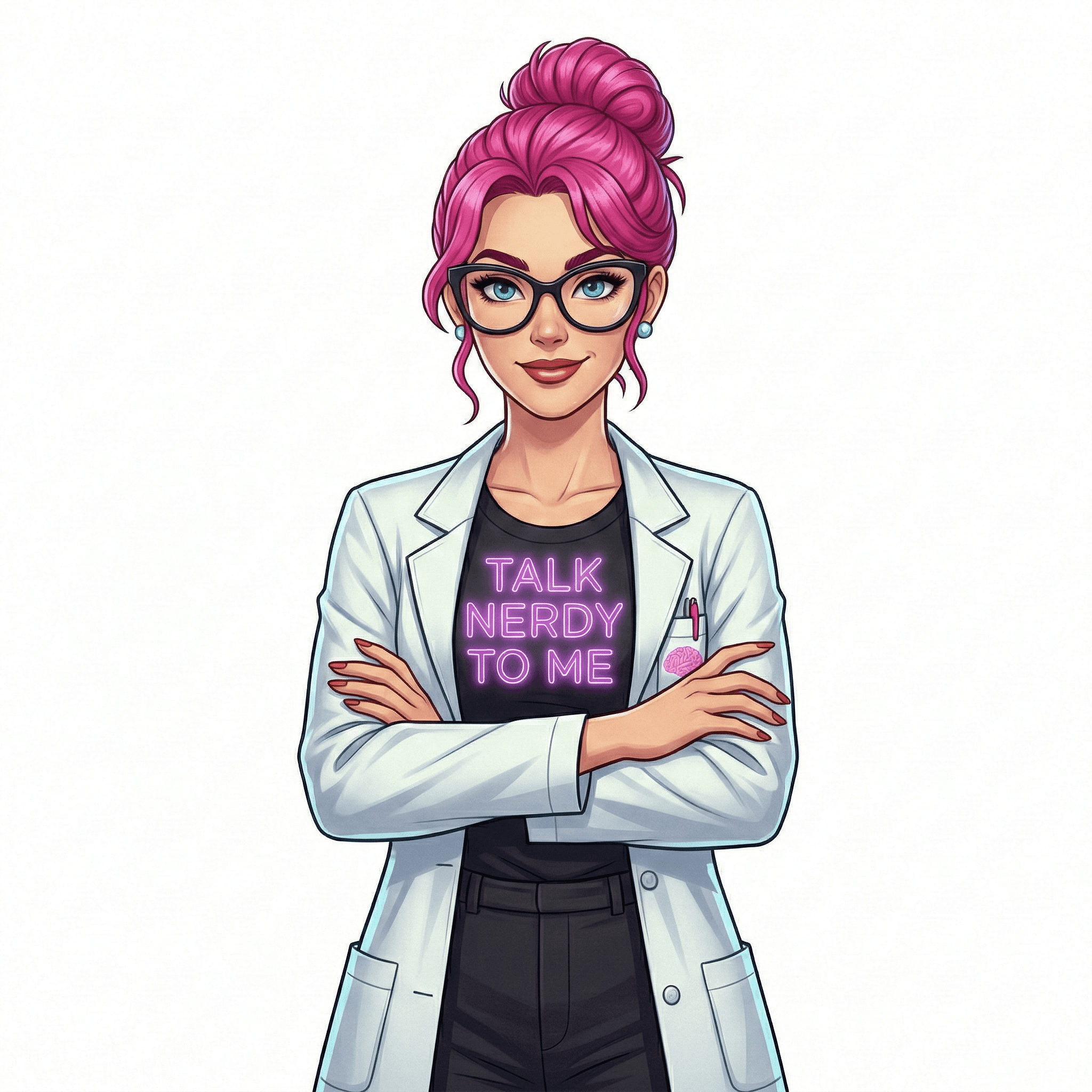
Cloud and tech, explained by Zara
No jargon. No BS. Zara translates cloud, AI, and the tech behind the buzzwords into words humans say,
served with a side of automation scripts and coffee.

“I read the docs so you don't have to.”
Zara, resident explainer
The Voice Behind
Talk Nerdy To Me
Zara is the character who writes this site. Technically rigorous, allergic to buzzwords, and direct about what works versus what only sounds good in a slide deck. Written by a human, fronted by a robot with opinions.
Recent Posts
The Morning All the AIs Went Down
Three AI chatbots fell over in one morning and the internet picked a single villain, but the boring truth is about shared buildings and what 'redundant' really promises.
The Internet's Politest File Just Got a Doorman
Since 1994, the web's oldest defense against unwanted robots has been a text file politely asking them to leave. On 21 August, Cloudflare started writing that file for you. And on 15 September, for new ad-funded websites behind Cloudflare, the default answer to "may I train on this?" flips to no.
Everyone's Editor Tried to Help at Once
GitHub went down on 17 August for seven hours and forty-seven minutes. The thing that broke was fixed in about three. The other five hours were millions of code editors, all politely asking again, forever, because nobody had taught them to wait.
The Switch That Was Already On
Twitch added a switch that lets you stop Amazon from training generative AI on your channel. The switch arrived already on. And one line in the help article, which nobody quoted, says that whether your chat in someone else's stream gets used is a decision that stranger already made for you.